Arts / Connections
PRESS BOX Type/Print Bind/Share
We believe letterpress printing has been, and continues to be, a powerful way to change minds and tell stories… When access to the printing press is shared, it amplifies voices and becomes a powerful tool for democracy.
About the project
The ‘press box’ is a space traditionally reserved for reporters. Not everyone gets access. You routinely require a press pass. Even a pass doesn’t guarantee that your stories will be published. Views can, and are, regularly excluded and censored. Inspired by both singer Patti Smith’s catch cry ‘Use Your Voice’ and the letterpress movements idiom, ‘The Power Of the Press Belongs To Those Who Have One’, OUTSIDE THE BOX / Earth Arts Rights is part of a small group working to establish a community print and bookbinding workshop space. Our PRESS BOX will be will be a creative space where ideas can be developed and transformed through the physical act of making.
In this digital age, with the proliferation and invasion of screens and devices brimming with AI generated content, there is still a quiet beauty and tactile quality of ink on paper that sparks the collective, creative imagination. We are focussing on rescuing letterpress machinery and bookbinding materials loved but unused or destined for the scrap heap. This equipment and the associated artisan skills and techniques are fast being lost. To us this early industrial history best suits our twin philosophies: ‘less is more’ and ‘good work and design’ takes time and care. Old presses and tools are worth preserving and they really come alive when someone knows how to use them.
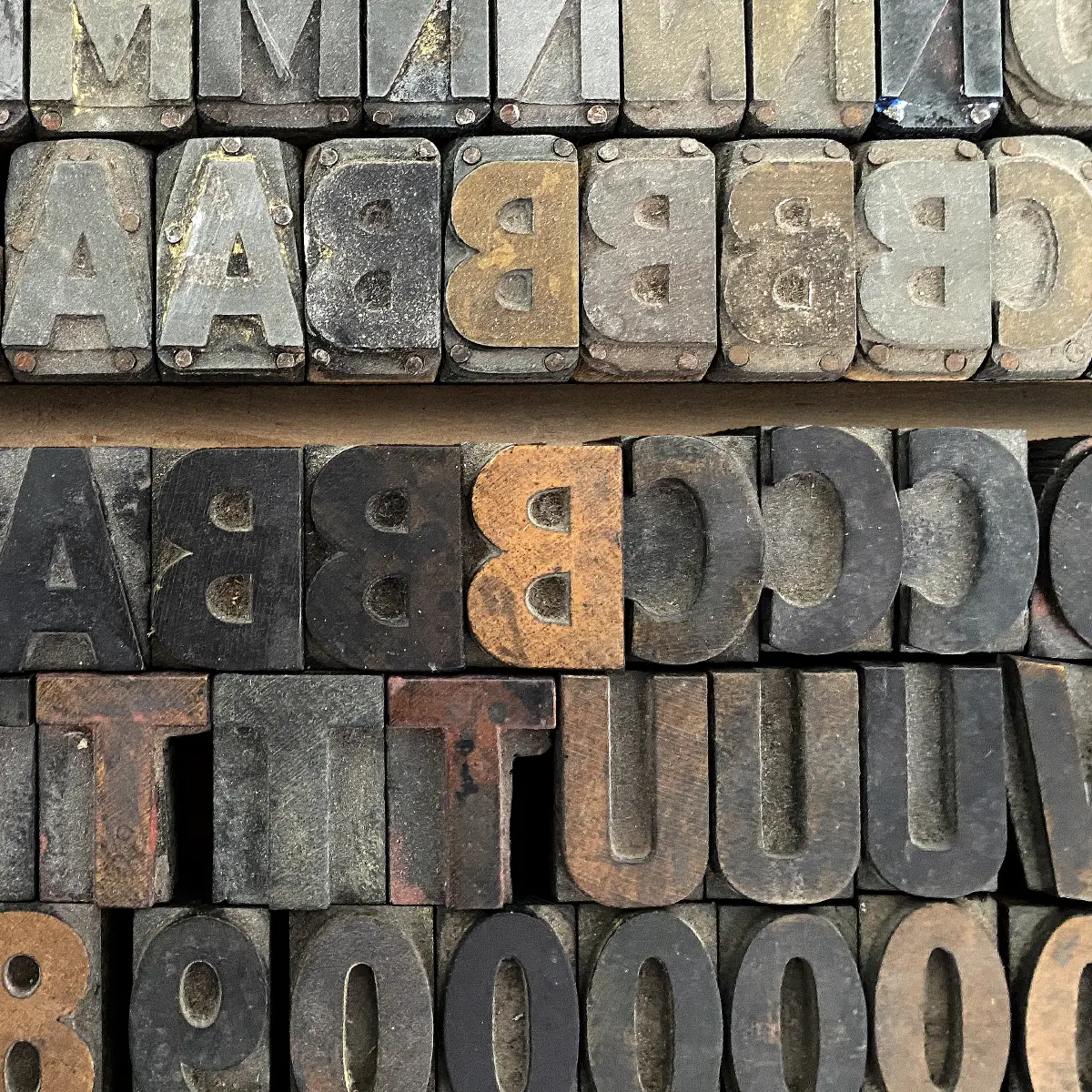
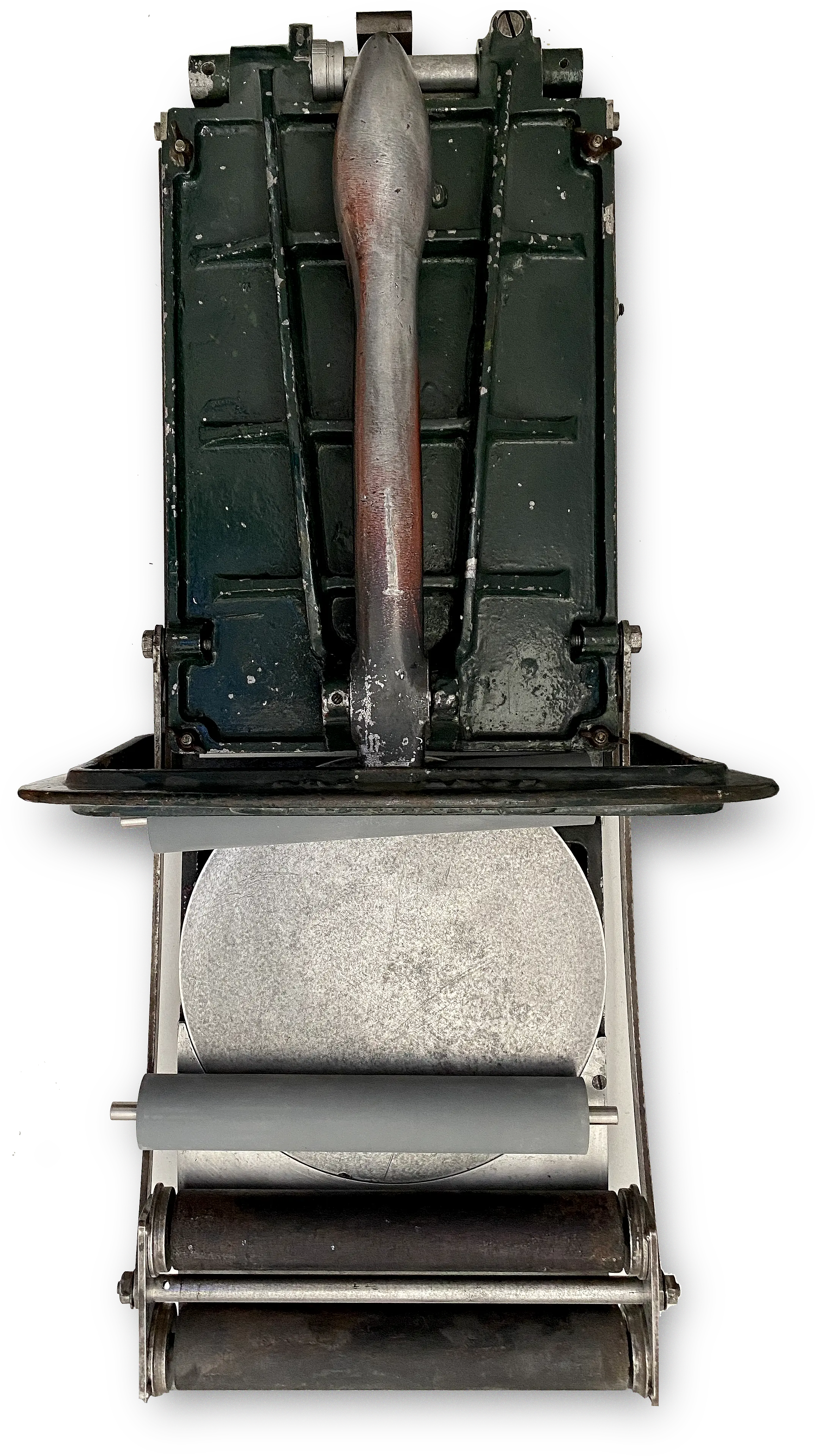
Our first exciting acquisition is a donated Morgans & Wilcox Cast Iron Platen Printing Press c1890. We are also beginning to assemble equipment and materials needed for bookbinding and traditional printing, including trays of lead type, nipping presses, sewing frames, cutting equipment and hand tools.
For the moment, this equipment will be safely stored while we work out what we have, what needs maintenance, what is missing and what we need to create a viable workshop. Our aim is to save both the equipment and the knowledge, and develop a community that can grow around creative collaboration.
Read all about it!
German inventor Johannes Gutenberg created the first mechanical movable type known as letterpress in the 15th century, resulting in the democratisation of reading culture and a rise in public literacy, particularly amongst women. Until the advent of the much faster and efficient offset printers in the mid-20th century, letterpress printing is how information was disseminated for over 500 years.
There is a rich history of social change driven by communities harnessing the power of the letterpress to promote ideas and influence the public discourse. Suffragettes famously used letterpress printing to produce newspapers, broadsheets, and bold ‘Votes for Women’ posters that successfully drove their political campaigns. Here in Australia, protest is a democratic principle. Early convict dissent and challenges to strict colonial governors; the rise of the labour movement; anti-conscription; women’s rights, the Aboriginal Freedom Ride are just a few campaigns that have changed our country for the better. All relied on the dissemination of ideas, largely censored or suppressed in the mainstream media. Someone once declared: ‘Want to spark a revolution? Start with ink.’
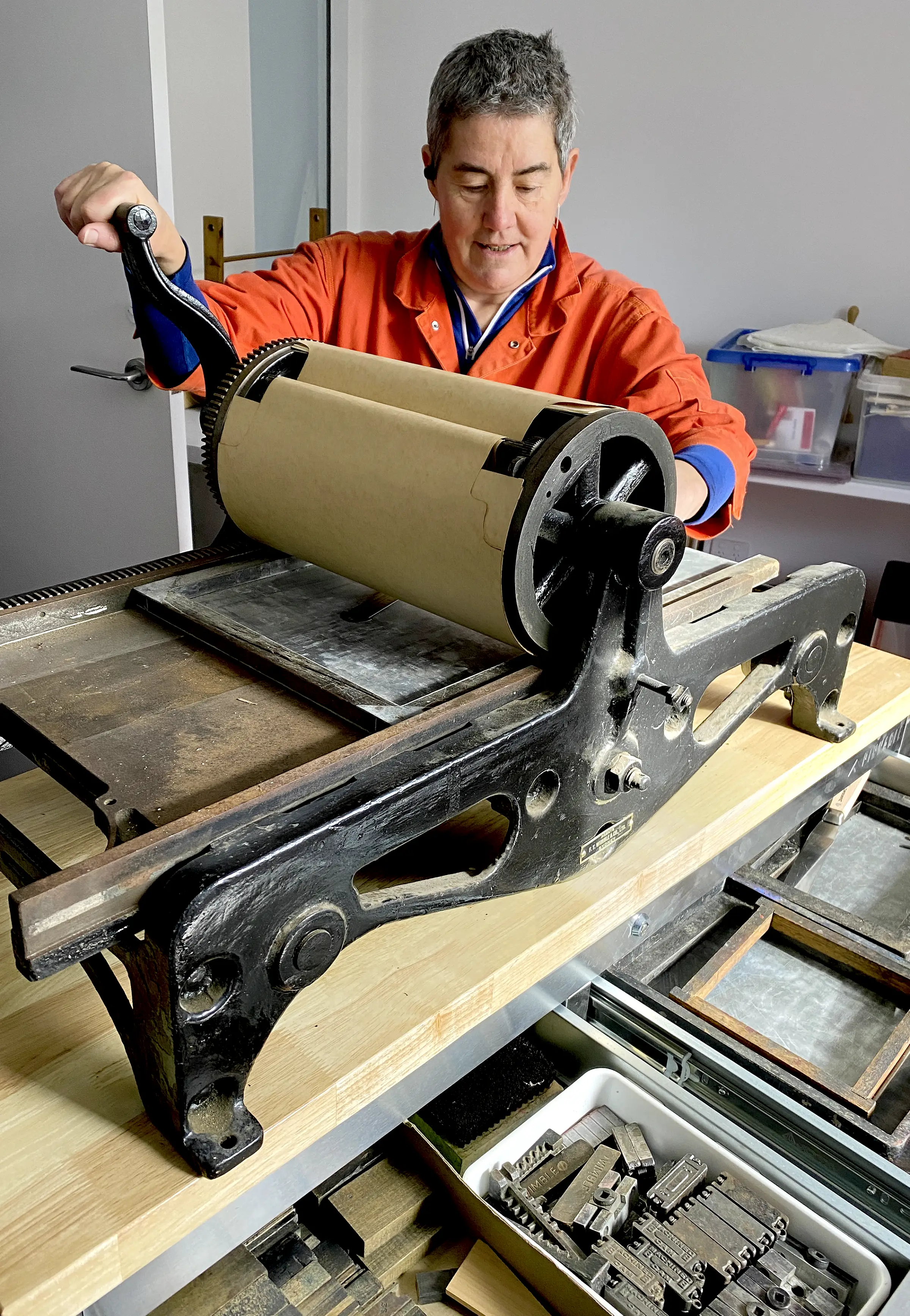
A working space
While we want to preserve historic equipment and skills, our aim is not to create a museum. Experienced practitioners will be able to use the workshop independently for their own projects and we plan to offer a range of learning opportunities including for example:
- letterpress and other printing classes
- bookbinding, marbling and decorative paper classes
- small-volume artist book production
- collaborative community and arts projects
- exhibitions and displays

For latest news on PRESS-BOX
It will take us a bit of time to fully realise this project. In the meantime you can sign up to our mailing list and get the latest chatter on PRESS BOX and all of our other projects.
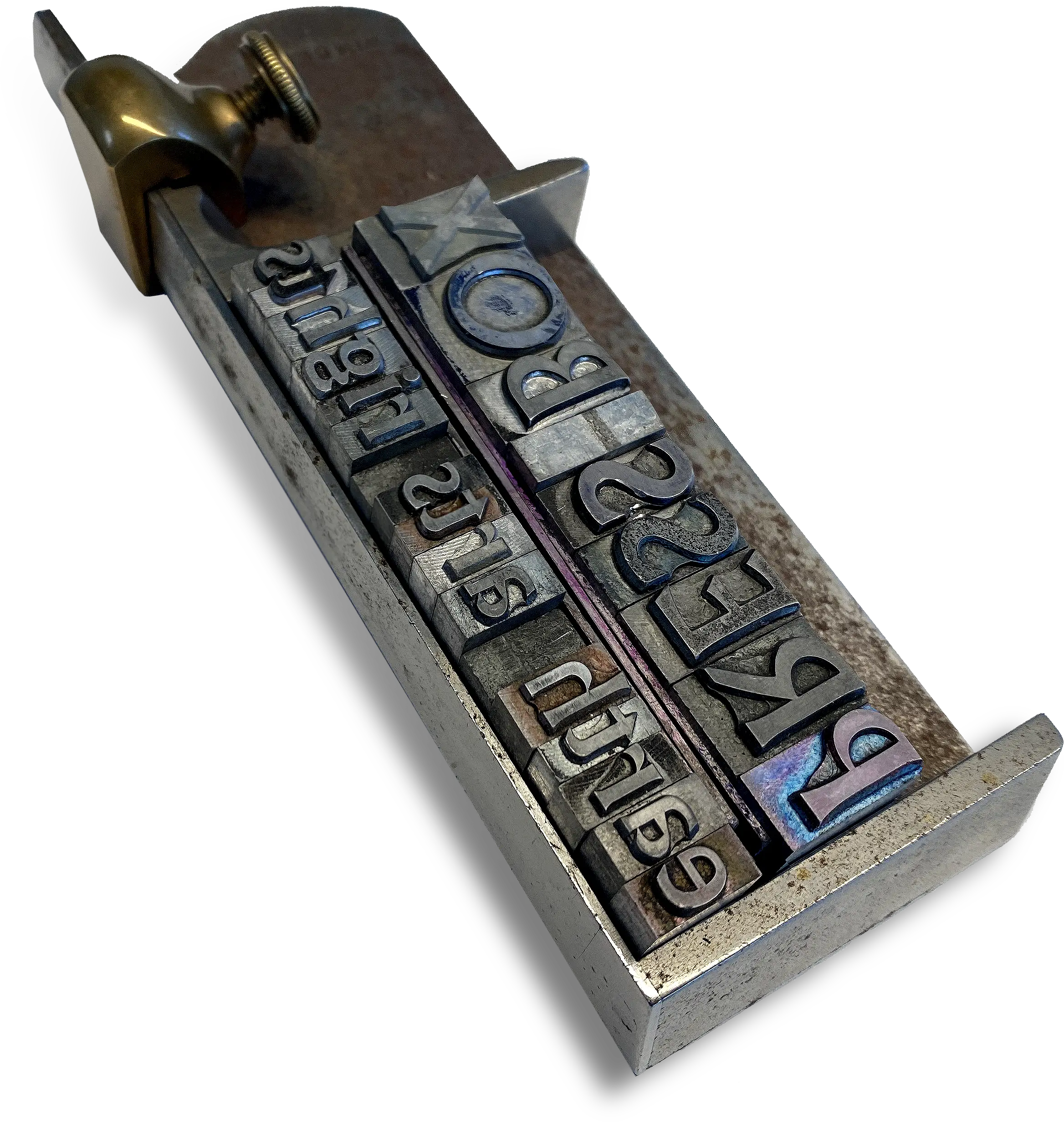
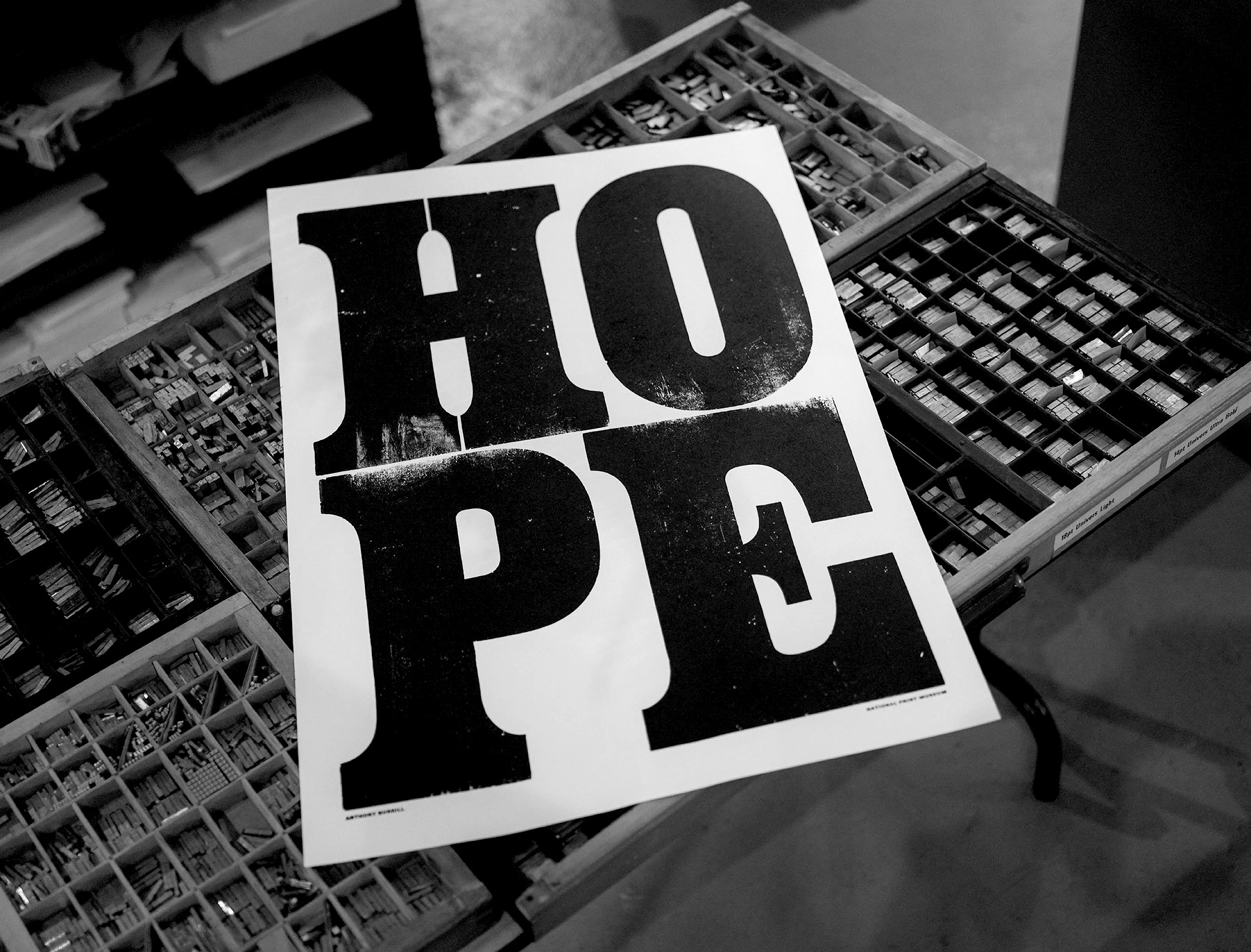
Images: HOPE by Anthony Burrill 2025, National Print Museum, Ireland
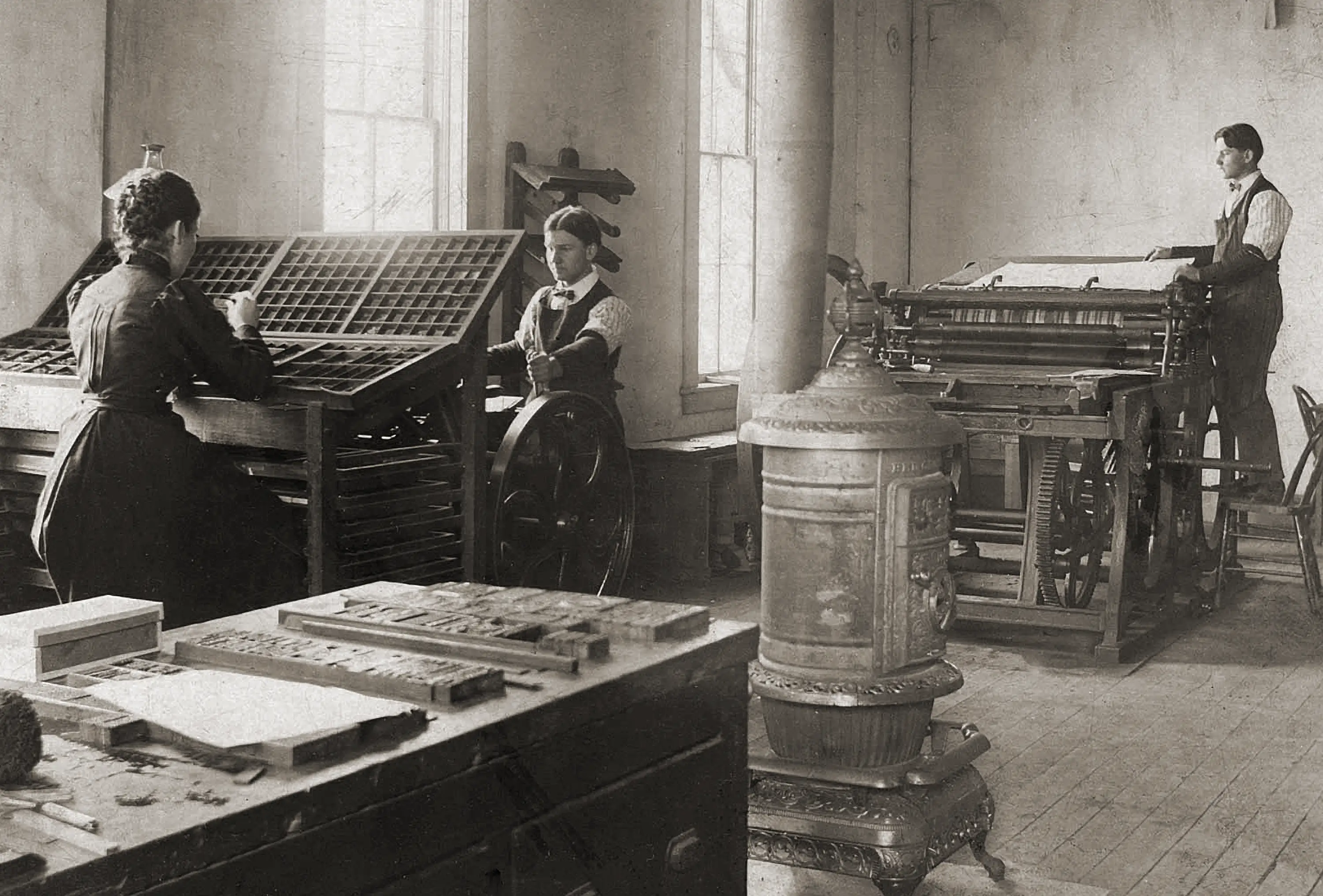
The First Print Shop c.1885–90, unknown American photographer, PhotoSeed Archive